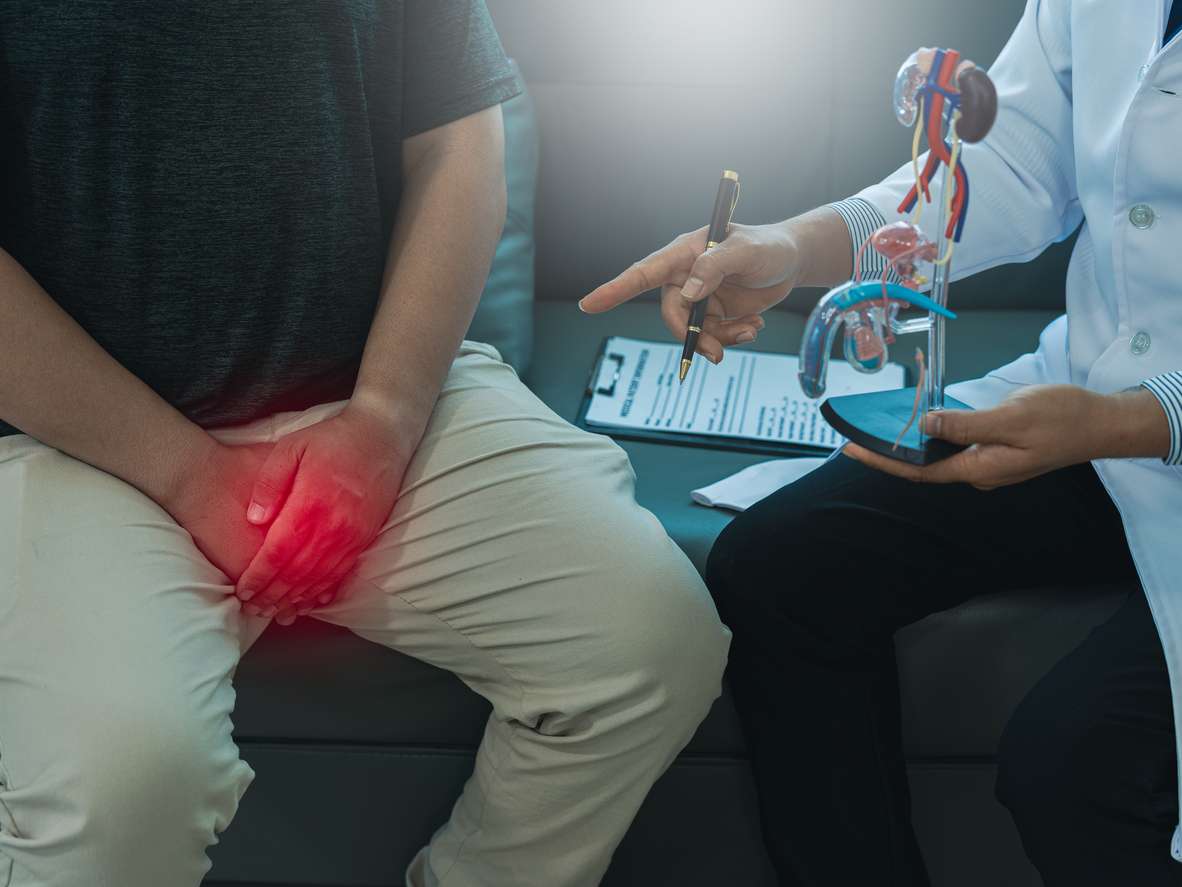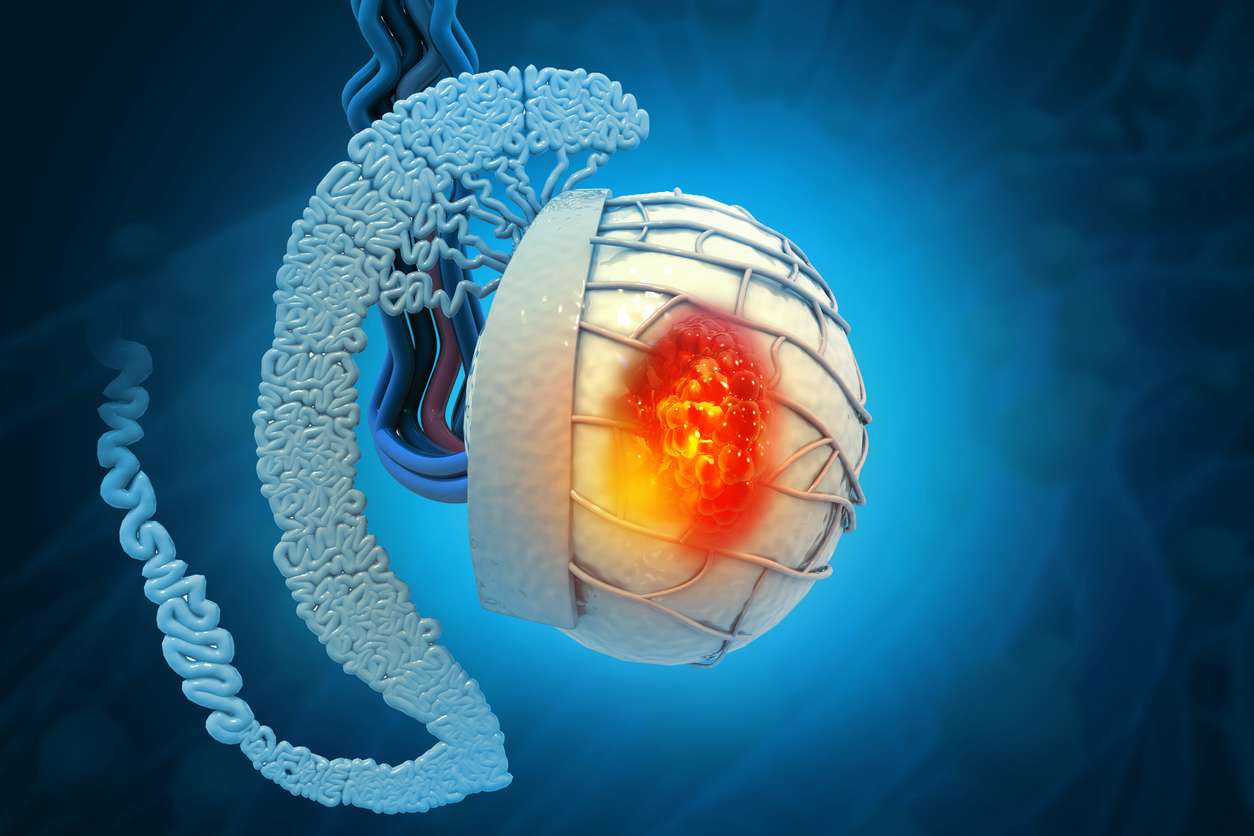
Many men notice changes in the size or appearance of their scrotum over time. Whether it’s due to aging, temperature, lifestyle factors, or underlying conditions, concerns about scrotal size are more common than most people realize.
If you’ve been wondering how to reduce scrotum size, the key is understanding what’s normal, what’s temporary, and what options are safe and medically appropriate.
In this guide, we’ll walk you through:
- Why scrotum size changes
- Natural and temporary ways the body regulates size
- Medical options for scrotum size reduction
- When it’s time to consult a doctor
Why Does Scrotum Size Change?
The scrotum is designed to expand and contract naturally—this is part of how your body regulates temperature for optimal sperm health.
In warmer conditions, the scrotum relaxes and hangs lower to cool the testicles. In colder environments, it tightens and pulls closer to the body. This process is controlled by a muscle called the dartos muscle and is considered completely normal (as explained by institutions like the Cleveland Clinic).
Common reasons your scrotum may appear larger include:
- Heat exposure (hot showers, warm climates)
- Aging, which reduces skin elasticity over time (noted by Mayo Clinic)
- Physical inactivity
- Temporary fluid buildup or inflammation
- Certain underlying medical conditions
On the other hand, you may notice shrinkage during:
- Exercise
- Cold temperatures
- Stress or stimulation
These fluctuations are expected and are part of normal physiology—not something that typically requires treatment.
How to Reduce Scrotum Size Naturally
If your concern is mild or temporary, there are a few non-surgical approaches that may help manage or reduce the appearance of scrotal size.
Temperature Awareness
Since heat causes relaxation, limiting prolonged exposure to:
- Hot tubs
- Saunas
- Tight, non-breathable clothing
may help reduce the appearance of sagging throughout the day.
Supportive Underwear
Wearing supportive, properly fitted underwear can:
- Improve comfort
- Reduce visible sagging
- Provide better support during daily activity
Exercise and Circulation
Regular movement supports circulation and tissue health. While it won’t permanently reduce scrotum size, it can help:
- Improve firmness
- Reduce fluid retention
Medical sources such as the Urology Care Foundation emphasize that overall circulation plays a role in tissue health.
Managing Swelling
If you’re specifically trying to address how to reduce scrotal swelling, it’s important to identify the cause.
Temporary swelling may be linked to:
- Minor irritation
- Fluid retention
- Inflammation
However, persistent swelling may indicate conditions like hydrocele or varicocele, which are recognized in clinical resources like MedlinePlus.
Medical Options for Scrotum Size Reduction
For men looking for a more noticeable or long-term change, medical options may be considered depending on the cause and desired outcome.
Scrotal Lift (Scrotoplasty)
A scrotal lift, or scrotoplasty, is the most direct way to reduce excess scrotal skin. This procedure is designed to:
- Remove stretched or excess tissue
- Tighten the scrotal sac
- Improve both appearance and comfort
Procedures like this are recognized within reconstructive and cosmetic urology and plastic surgery (as outlined by organizations like the American Society of Plastic Surgeons).
At Loria Medical, scrotal procedures are approached with a focus on natural-looking results and patient safety. For patients dealing with both sagging and excess skin attached to the underside of the penile shaft, a scrotal webbing and lift combination may also be an option.
👉 Learn more here: Scrotal Lift Procedure
Treating Underlying Conditions
Sometimes, the issue isn’t excess skin but an underlying condition.
Common examples include:
- Hydrocele (fluid buildup around the testicle)
- Varicocele (enlarged veins)
- Inguinal hernia
These conditions require medical diagnosis and treatment, not cosmetic correction alone.
Orchiectomy (Medical Cases Only)
An orchiectomy involves removal of one or both testicles and is typically reserved for serious medical situations such as cancer or hormone-related conditions.
It is not considered a cosmetic solution for reducing scrotum size and should only be discussed in a medical context (as supported by organizations like the American Cancer Society).
How to Measure Scrotum Size
If you’re monitoring changes, consistency is key.
A simple method:
- Measure in a neutral (room temperature) environment
- Stand upright
- Use a soft measuring tape
- Measure circumference at the widest point
Keep in mind that daily variation is normal, so it’s more helpful to track trends over time rather than focusing on a single measurement.
When to Consult a Doctor
You should seek medical evaluation if you notice:
- Sudden or significant enlargement
- Pain or discomfort
- Lumps or irregularities
- Persistent swelling
- Changes that don’t fluctuate with temperature
These symptoms may indicate an underlying issue that should be evaluated by a qualified provider.
A Smarter Approach to Scrotum Size Reduction
If you’re researching how to reduce the size of your scrotum, the most important takeaway is this:
Not all enlargement requires treatment—and not all solutions are appropriate for every situation.
The best approach is to:
- Understand the cause
- Rule out medical concerns
- Explore options that align with your goals
Speak With a Specialist
If you’re considering your options or simply want clarity on what’s normal, the team at Loria Medical can help guide you.
👉 Schedule a consultation here: https://loriamedical.com/schedule-consultation